
Is 16 Years of Education Mandatory for Master’s Programs in the USA?
-A Comprehensive Guide for Indian Students Navigating Graduate Admissions
“Education is not measured by duration alone, but by the depth of intellectual preparation and the clarity of purpose it cultivates.”
Introduction: More Than Figures in Global Education
In the highly competitive world of global higher education, many Indian students who wish to enroll in a master’s program in America invariably face the challenge of having “16 years of education.” The idea that has been widely prevalent among student circles and counseling centers seems to be one of strict eligibility criteria, which appears to bar students with a bachelor’s degree of three years.
But the truth about the process of admissions to the United States is much more complicated and accommodating than that. Although it is true that a lot of universities base their admission requirements on a four-year bachelor’s degree, the American education system, at the same time, adopts an evaluative and holistic approach that is not limited to simply the numerical aspect.
It would be necessary to look deeper into what is meant by saying that 16 years of education are compulsory to determine whether 16 years of education is really required
Understanding the Academic Structure: When the Misunderstanding Starts
Elaboration on The 16-Year Education Structure
The concept behind 16 years of education is based on the common US education structure, which is:
- 12 years of studies in an educational institution
- Undergraduate education of 4 years
Adding both figures gives 16 years of education, which is considered perfect preparation for higher education by many universities.
However, Indian students typically pursue the following:
12 years of school education
Bachelor’s degree of 3 years
The resultant 15 years causes a problem regarding MS in the USA eligibility for Indian students.
.What Actually Changes in the Evaluation? (Reality vs Perception)
Aspect | Common Perception | Actual Reality |
Eligibility | 16 years is compulsory | Many universities accept 15 years |
Degree validity | Only 4-year degrees are accepted | 3-year degrees are evaluated case-by-case |
Admission criteria | Fixed and rigid | Flexible and holistic |
Profile importance | Years matter most | Profile strength matters more |
This distinction is critical because it shifts the focus from restriction to strategy.
Reality Check: The Actual University Assessment Process
Rather than concentrating solely on years of experience, universities evaluate a variety of elements that measure preparedness.
Key Elements for Assessment
- Academic excellence (CGPA and consistency)
- Relevance and quality of education
- Credibility of an educational institution
- Statement of Purpose (direction)
- Recommendation letters
- Test scores
Is 15 Years of Education Accepted at US Universities?
Indeed, there are many universities that accept candidates who have completed 15 years of education if the candidate is an excellent performer and focused.
Instead of looking at the three-year bachelor’s degree as not enough, universities consider factors such as:
- The level of difficulty of the course
- Academic success in all fields of study
- Consistency between undergraduate and master’s programs
Therefore, if the university accepts 16 years of education in the United States, they can also accept those with 15 years if the student qualifies.
Why There Are Differences In Requirements At Various Universities
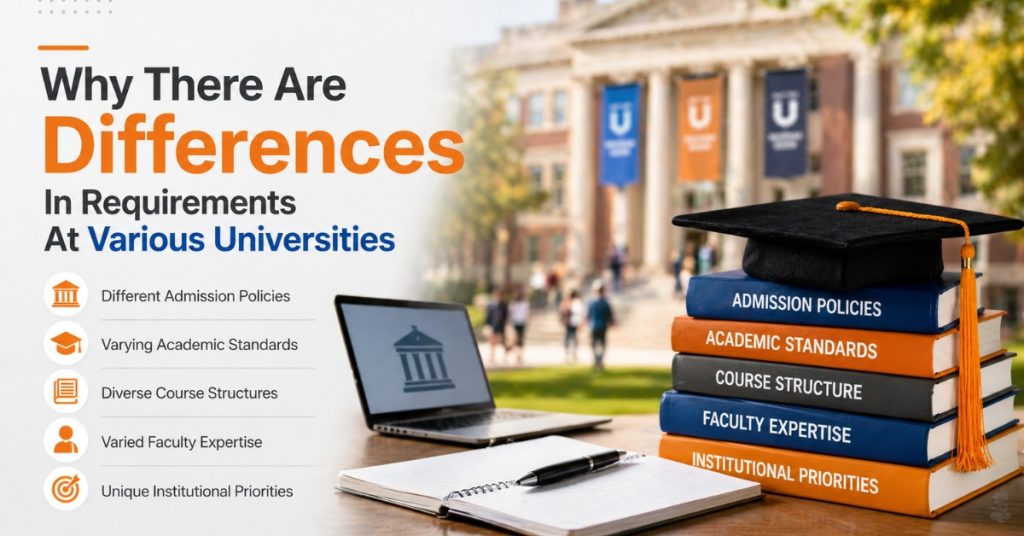
There is no central authority for education in the US, which means that universities establish their requirements individually
Type of University | Admission Approach |
Highly selective institutions | Prefer 4-year undergraduate degrees |
Mid-range universities | Flexible with strong academic profiles |
Career-oriented institutions | Accept 15 years with additional qualifications |
It is vital to understand the differences because they underline the significance of selecting the right university.
Alternative Pathways for Individuals Not Meeting 16 Years
Individuals who fall short of the 16-year mark required under the system are not considered to be outside the framework. They are rather offered alternative pathways, through which they can achieve academic equivalence.
Among the most popular alternatives is the completion of a pre-master’s program USA. This provides individuals with a chance to create a solid academic background before proceeding to a masters program.
An individual may also consider opting for a postgraduate diploma, thus increasing their academic pathway period.
Pathway | Purpose | Outcome |
Pre-master’s program | Academic preparation | Direct progression to master’s |
Postgraduate diploma | Extend academic duration | Meets equivalence requirement |
Certifications | Skill enhancement | Strengthens overall profile |
These routes clearly indicate that the system is created not to reject but to include those with different academic backgrounds.
The Importance of Standardized Tests
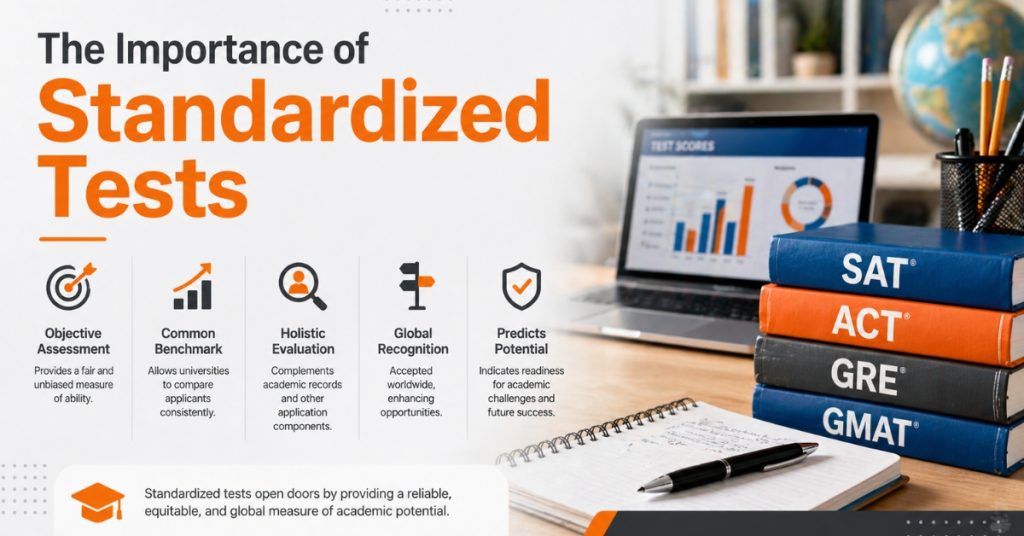
Standardized testing significantly helps bridge gaps between various academic backgrounds among foreign applicants.
A high score in GRE for USA MS program reflects the candidate’s competence in analysis and math on a standard level. The university will be able to judge the applicant’s knowledge based on the same standards regardless of their academic background.
In addition, English language proficiency is also crucial.To ensure the students’ ability to handle academic work, USA requires TOEFL, IELTS. The students may use good results in these tests as a supporting element in their applications.
Exam | Typical Requirement |
TOEFL | 80–110 |
IELTS | 6.5–7.5 |
Insight Into Strategy: From Eligibility to Positioning
The major problem with the applications is that students limit themselves by merely looking at the eligibility requirements. This does not provide them with many chances.
The alternative strategy for making a successful application is to look into its positioning.
Strategy
- Choosing universities in tune with one’s academic background
- Improving weaknesses by taking tests or certificates
- Formulating an academic story line
- Applying strategically instead of widely
This paradigm shift from eligibility to positioning turns an application exercise into a strategy.
Common Errors That Restrict Opportunities
There are several errors that students commit, restricting them from making the most out of the available opportunities.
- Believing one is ineligible due to insufficient knowledge
- Applying even when one does not know the specific requirements of the university
- Failing to work on building one’s profile,
- Writing poor statements of purpose
Guidance within a Flexible Framework
Due to the flexibility of the system, it is essential that one makes intelligent decisions when moving through it.
A study abroad consultant will help the students with:
- Selecting the right universities
- Organizing their applications
- Preparation for standardized examinations
- Choosing programs in line with future aspirations
Service | Contribution |
Admission counselling | Strategic university selection |
Clarity in academic direction | |
Improved language proficiency | |
GRE preparation | Enhanced academic competitiveness |
The US job market hasn’t become unreachable for Indian students; it has become selective. The rules have changed, and success now belongs to those who plan early, build relevant skills, and treat every stage from admission to H-1B as part of one unified career strategy. Don’t chase the American dream; blindly engineer it. Because in a system that rewards preparation over luck, the smartest players don’t just survive the filter. They clear it with confidence.
Conclusion: Rethinking Eligibility for Global Education
The idea that one needs 16 years of education comes from the misconception that this system is more rigid than it actually is. American colleges and universities do not just consider how long you have been studying but how prepared, able, and capable you are.
In the case of Indians, it is important to understand that three years of education should not hold you back; instead, it should be seen as a variable that could be managed in your favor.Ultimately, success in applying to graduate schools does not hinge on the number of years of education but on how well
Call to Action
As you work through this process, clear vision and planning will be critical.At Ethos Education, we offer step-by-step assistance with:
- Admissions counseling
- Career counseling
- IELTS coaching & GRE preparation
- Application guidance
“Success in international education isn’t about meeting strict requirements; it’s about navigating them with vision and purpose.”
Take the first steps toward success with expert advice and transform your academic goals into actionable plans.